
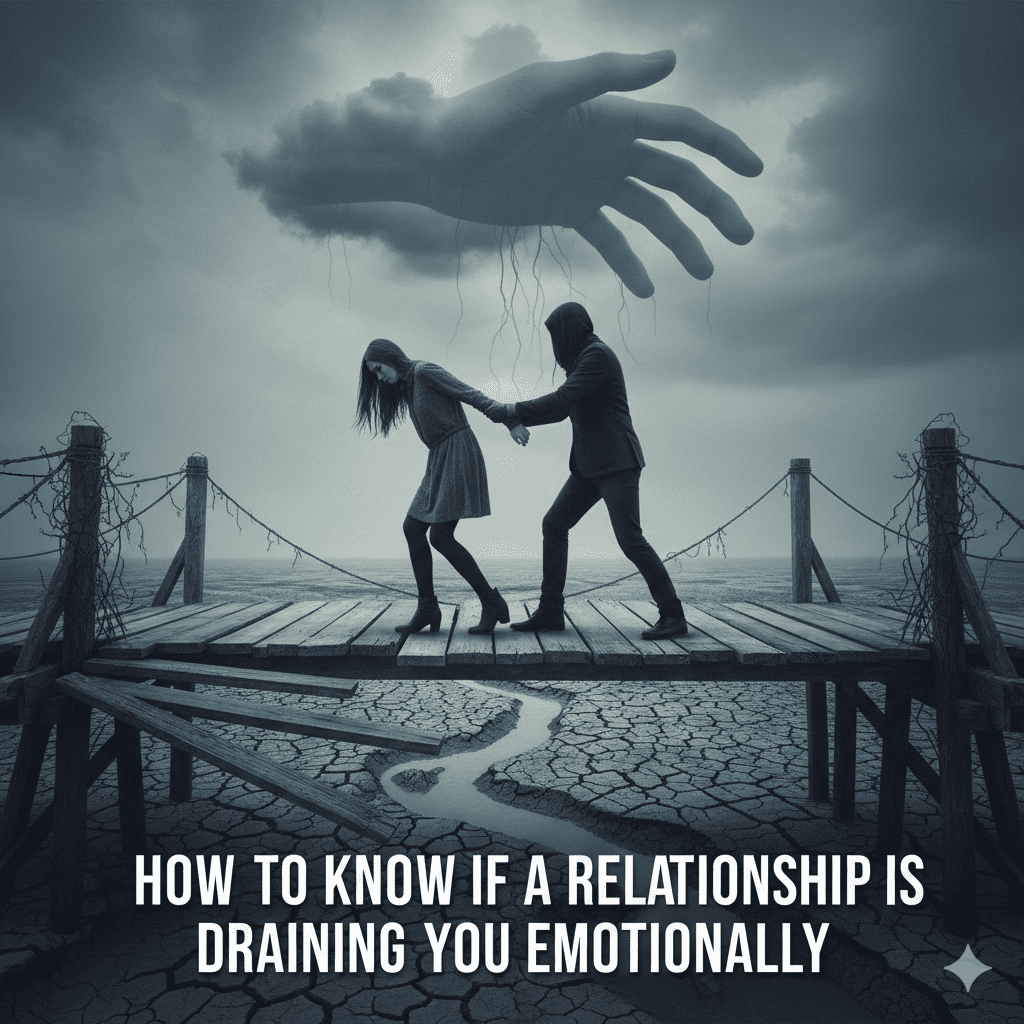
Relationships should provide emotional support, connection, and a sense of stability. However, when a relationship shows consistent emotionally draining relationship symptoms it can lead to emotional burnout, anxiety, and reduced overall wellbeing. While every relationship requires effort, there is an important difference between healthy effort and emotional drain. Many people remain in relationships that quietly exhaust them emotionally, often without realizing the impact until they feel overwhelmed, detached, or constantly tired.
Emotional drain does not always come from obvious conflict. In many cases, it develops gradually through unmet needs, unbalanced emotional labor, or ongoing tension that never fully resolves. Learning to recognize the signs of emotional drain can help restore clarity and protect long-term emotional well-being.
Emotional exhaustion in relationships often shows up as constant mental fatigue anxiety and a sense of imbalance. When emotional support becomes one sided over time it can lead to relationship emotional burnout and affect overall wellbeing even when there is care or attachment present.
Common Signs of Emotional Drain in Relationships
| Symptom | What It May Indicate |
|---|---|
| Feeling tired after interactions | Emotional exhaustion and burnout |
| One sided emotional effort | Emotional imbalance and unmet needs |
| Anxiety around communication | Emotional stress and fear of conflict |
| Feeling relief when apart | Ongoing emotional drain |
What Emotional Drain in a Relationship Really Means
Emotional drain occurs when a relationship consistently consumes more emotional energy than it restores. Instead of feeling supported or balanced, you may feel depleted, anxious, or emotionally burdened after interactions.
This does not mean the relationship is “bad” or that either partner is at fault. Emotional drain often reflects misaligned needs, communication patterns, or emotional expectations rather than intentional harm.
Why Emotional Drain Often Goes Unnoticed
Many people normalize emotional exhaustion in relationships because it does not always appear dramatic. Emotional drain can exist even when there is affection, history, or strong emotional attachment.
Common reasons it goes unnoticed include:
Believing relationships are supposed to feel difficult
Focusing on moments of closeness while ignoring ongoing strain
Feeling responsible for another person’s emotions
Fear of being alone or starting over
Over time, these factors can make emotional exhaustion feel normal rather than concerning.
Signs a Relationship May Be Draining You Emotionally
Emotional drain often shows up through patterns rather than single incidents. The following signs may indicate that a relationship is affecting your emotional health.
1. You Feel Consistently Tired After Interactions
Instead of feeling connected or calm, you feel emotionally exhausted after spending time together, even during neutral conversations.
2. You Carry Most of the Emotional Weight
You are often the one initiating conversations, resolving conflicts, offering reassurance, or managing emotional tension.
3. Your Needs Feel Secondary
Your emotional needs are frequently postponed, minimized, or overlooked in favor of maintaining balance or avoiding conflict.
4. You Feel Anxious About Communication
You carefully choose words, avoid certain topics, or hesitate to speak honestly because conversations feel emotionally taxing.
5. Conflict Never Fully Resolves
The same issues resurface repeatedly without meaningful change, leaving you emotionally worn down.
6. You Feel Less Like Yourself
Over time, you may notice a loss of motivation, confidence, or emotional energy that extends beyond the relationship itself.
7. Relief Comes From Distance
You feel noticeably calmer or lighter when you have space from the relationship, which may signal ongoing emotional strain.
Emotionally draining relationship symptoms often include constant fatigue after conversations feeling unheard and carrying emotional stress long after interactions end.
Emotional Drain vs Normal Relationship Challenges
All relationships experience stress, disagreement, and emotional effort at times. The difference lies in recovery. Healthy relationships allow emotional energy to return through understanding, reassurance, and mutual effort.
When emotional drain is present:
Recovery feels slow or nonexistent
Emotional effort feels one-sided
Stress outweighs emotional support
Recognizing this distinction helps prevent long-term emotional burnout.
How Emotional Drain Affects Mental and Emotional Well-Being
Ongoing emotional drain can influence well-being beyond the relationship itself. Over time, it may contribute to:
Increased anxiety or irritability
Difficulty focusing or relaxing
Emotional numbness or detachment
Reduced self-confidence
Heightened stress levels
Addressing emotional drain early supports healthier emotional balance and prevents deeper exhaustion.
Gaining Clarity About Emotional Drain
Clarity begins with observation rather than immediate decisions. Reflecting on emotional patterns helps determine whether emotional drain is situational or ongoing.
Helpful questions to consider:
Do I feel emotionally supported most of the time
Is emotional effort shared or one-sided
Do conversations lead to relief or more stress
Has my emotional energy changed since this relationship began
These reflections encourage awareness without pressure.
One of the clearest signs your partner drains your emotional energy is when interactions leave you feeling anxious exhausted or emotionally disconnected instead of supported.
For a deeper understanding of how emotional patterns influence relationship decisions, you may find it helpful to explore this guide on relationship clarity and emotional healing, which explains how awareness supports healthier choices.
Can Emotional Drain Be Addressed?
In some cases, emotional drain can improve through honest communication, clearer boundaries, and mutual effort. Improvement requires willingness from both partners to acknowledge patterns and make changes.
However, awareness alone does not restore emotional balance unless behavior shifts over time. Recognizing this distinction helps prevent repeated emotional exhaustion.
Relationship emotional burnout signs may show up as emotional numbness frequent irritation loss of motivation and a growing need for emotional distance.
When to Consider Outside Support
If emotional drain feels persistent or overwhelming, seeking outside perspective can help. Counseling, therapy, or structured self-reflection can provide clarity and emotional support.
Reaching out for help reflects care for emotional health, not failure.
Frequently Asked Questions
What does it mean to be emotionally drained in a relationship
It means the relationship consistently consumes emotional energy without providing sufficient emotional support or balance.
Can emotional drain happen even in loving relationships
Yes. Emotional drain can occur even when affection is present, especially if needs are misaligned or communication patterns are strained.
How do I know if I’m just stressed or emotionally drained by the relationship
If stress eases with rest but emotional exhaustion continues around relationship interactions, emotional drain may be present.
Is emotional drain a reason to end a relationship
Not always. Emotional drain signals a need for reflection, communication, or support before decisions are made.
Can emotional drain affect mental health
Yes. Prolonged emotional drain can contribute to anxiety, stress, and reduced emotional well-being over time.
How do I know if my partner drains my emotional energy?
Signs include constant fatigue after interactions, one-sided emotional effort, anxiety about communication, and feeling relief when apart.
Is relationship emotional burnout reversible?
Emotional burnout can improve with communication, boundary setting, and support, but persistent drain may require deeper changes.
If you are noticing emotionally draining relationship symptoms it may help to focus on emotional awareness stress management and mental wellbeing support tools that help restore balance and clarity.