
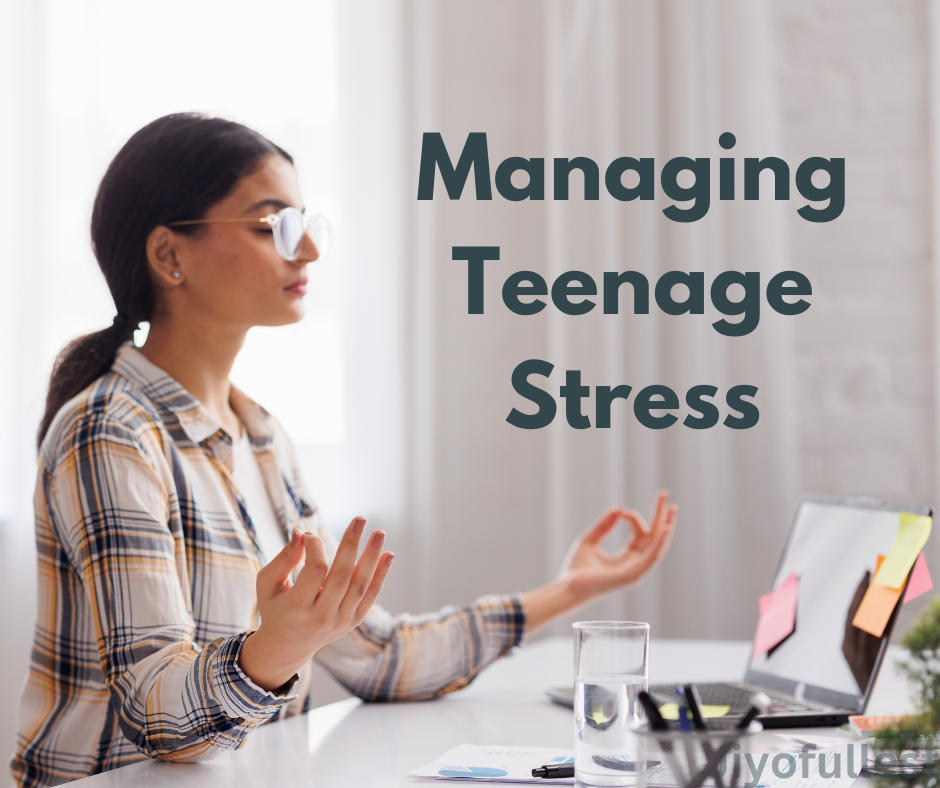
Teenage years are often portrayed as a time of fun, exploration, and excitement. However, beneath the surface, many adolescents grapple with a significant amount of stress. From academic pressures to social anxieties, teenagers today face a myriad of challenges that can leave them feeling overwhelmed and exhausted. In this blog, we’ll delve into the complexities of teenage stress, exploring its causes, effects, and most importantly, strategies for managing it effectively.
10 Facts About Teenage Stress:
- Teenage stress is a common experience, with studies suggesting that around 30% of teenagers report feeling overwhelmed by stress.
- Academic pressure, social media, peer relationships, and family expectations are among the primary sources of stress for teenagers.
- Chronic stress during adolescence can have long-term implications for both physical and mental health.
- Girls tend to experience higher levels of stress than boys during adolescence, often due to factors such as body image concerns and interpersonal relationships.
- Stress can manifest differently in teenagers, with some experiencing physical symptoms such as headaches or stomachaches, while others may exhibit emotional symptoms like irritability or mood swings.
- Teenagers from marginalized or low-income communities may face additional stressors related to discrimination, socioeconomic challenges, and lack of access to resources.
- While a certain amount of stress can be motivating, excessive or chronic stress can impair teenagers’ ability to function effectively in various areas of their lives.
- The teenage brain is still developing, making adolescents more susceptible to the effects of stress on cognitive functioning, decision-making, and emotional regulation.
- Stress during adolescence can contribute to the development of mental health disorders such as anxiety, depression, and substance abuse disorders.
- Effective stress management strategies can help teenagers build resilience and coping skills that serve them well into adulthood.
✨ No Sponsorships. No Fluff.
The Free Self-Care Apps Actually Worth Keeping on Your Phone
See the Free List →
Causes of Teenage Stress
Academic Pressure: The relentless pursuit of academic excellence can be a major source of stress for teenagers. Whether it’s striving for top grades, preparing for standardized tests, or navigating the college admissions process, the academic demands placed on students can feel never-ending.
Social Media: While social media platforms offer a way for teenagers to connect and express themselves, they also come with their own set of stressors. From comparing oneself to others to dealing with cyberbullying, the online world can exacerbate feelings of inadequacy and anxiety.
Peer Relationships: Peer pressure, conflicts with friends, and the desire for acceptance can all contribute to teenage stress. Adolescents often grapple with issues such as fitting in, finding their identity, and navigating complex social dynamics.
Family Expectations: Expectations from parents and family members regarding behavior, achievements, and future plans can add to the pressure felt by teenagers. Strained family relationships or conflicts at home can further exacerbate stress levels.

Signs and Symptoms of Stress in Teens
- Changes in mood or behavior, such as irritability, withdrawal, or mood swings.
- Physical symptoms like headaches, stomachaches, or fatigue.
- Difficulty concentrating or completing tasks.
- Changes in eating or sleeping habits.
- Increased reliance on substances like alcohol or drugs.
- Avoidance of social activities or isolation from friends and family.
- Excessive worrying or feelings of hopelessness.
If your teenager is showing several of these signs consistently, our guide on signs you need a mental health day helps both teens and parents identify when rest and recovery need to take priority over pushing through.
Effects of Teenage Stress
Physical Health: Chronic stress can take a toll on teenagers’ physical health, leading to symptoms such as headaches, fatigue, muscle tension, and even gastrointestinal issues. Additionally, prolonged stress can weaken the immune system, making adolescents more susceptible to illnesses.
Mental Health: Teenage stress is closely linked to mental health issues such as anxiety and depression. Persistent feelings of stress can contribute to mood swings, irritability, low self-esteem, and a sense of hopelessness.
Academic Performance: While a certain amount of stress can be motivating, excessive stress can hinder academic performance. Difficulty concentrating, memory problems, and burnout are common consequences of overwhelming stress levels.
Behavioral Changes: Stress can manifest in various behavioral changes in teenagers, including changes in eating or sleeping habits, withdrawal from social activities, substance abuse, and risky behaviors.
Teenage Stress Across Different Countries — What the Data Shows in 2026
Teenage stress is a global phenomenon, but the specific pressures teenagers face vary significantly depending on the education system, cultural expectations, and available support structures in their country. For parents and teens navigating stress, understanding the local context matters.
Australia
Australian teenagers face some of the most intense academic pressure in the English-speaking world, largely driven by the ATAR — the Australian Tertiary Admission Rank — which compresses years of academic performance into a single high-stakes score that determines university entry. For students in Years 11 and 12 preparing for the VCE in Victoria, the HSC in New South Wales, or equivalent systems in other states, the pressure is acute and sustained over two critical years of development.
Beyond Blue reports that 1 in 4 young Australians aged 16–24 experiences a mental health condition, with anxiety being the most prevalent — and academic stress is consistently identified as the primary trigger. Australian schools are increasingly required to have student wellbeing frameworks in place, but access to school counsellors remains uneven, particularly in regional and remote areas where student-to-counsellor ratios can be extremely high.
Headspace — Australia’s national youth mental health service, distinct from the global meditation app — provides free mental health support for Australians aged 12–25 through more than 150 centres nationwide and via online and telephone support. For Australian parents concerned about their teenager’s stress levels, Headspace and Beyond Blue are the two most trusted starting points for free, evidence-based guidance.
Canada
Canadian teenagers navigate stress within 13 different provincial and territorial education systems, creating significant variation in academic pressure depending on location. Ontario and British Columbia have some of the most demanding senior secondary curricula, with university entrance becoming increasingly competitive particularly in STEM fields.
The Centre for Addiction and Mental Health (CAMH) — Canada’s largest mental health teaching hospital — found in its 2023 student mental health survey that teen anxiety levels remain significantly elevated compared to pre-pandemic baselines, with academic pressure and social media cited as the two leading triggers. Notably, Canadian teenagers in northern provinces and territories face additional seasonal stress from extended periods of reduced daylight, which directly amplifies anxiety and mood disruption.
Kids Help Phone provides free, 24/7 bilingual counselling for Canadian teenagers via phone, text and online chat — one of the most accessible teen mental health resources in the world.
United Kingdom
British teenagers face a distinctive stress profile shaped by the GCSE and A-Level examination system. The shift to linear exams — where grades are determined almost entirely by end-of-year examinations rather than coursework — has significantly increased pressure on students aged 14–18. The Children’s Society’s annual Good Childhood Report consistently identifies exam pressure and appearance-related anxiety as the primary stressors for British teens.
In England, the NHS has been rolling out Mental Health Support Teams into schools since 2019, providing earlier intervention for students experiencing stress and anxiety. Mind’s YoungMinds service offers free crisis support and resources specifically for UK teenagers, and the CAMHS (Child and Adolescent Mental Health Services) pathway provides clinical support for more serious presentations.
Ireland
Irish teenagers face the Leaving Certificate — one of the most high-stakes national examinations in Europe, with results determining university entry across a single set of terminal exams. Irish mental health charity Jigsaw provides free youth mental health support with centres across the country, and the Department of Education has introduced wellbeing as a formal subject in junior cycle as a direct response to rising teen stress levels.
New Zealand
New Zealand’s NCEA system offers more flexible assessment pathways than comparable countries, which research suggests reduces acute exam stress — but overall anxiety rates among New Zealand teenagers remain high. The government’s free 1737 helpline offers text and phone support, and Youthline provides dedicated teen mental health services nationwide.
United States
American teenagers face a dual pressure of academic performance and extracurricular achievement, with the college admissions process — particularly for competitive universities — creating stress that begins as early as Year 9 for many students. The American Psychological Association’s annual Stress in America report consistently shows that US teenagers report higher stress levels than adults, with school being the most frequently cited source.
Crisis Text Line and the 988 Suicide and Crisis Lifeline both provide free support for American teenagers in distress, and the National Alliance on Mental Illness (NAMI) offers free educational resources for families navigating teen mental health challenges.
📱 5 Free App Guides for Your Mind & Mood
No paywalls, no trials that quietly start charging you — just genuinely free tools, hand-picked and reviewed.
🧠 Not sure how stressed you actually are? Find out in 3 minutes.
Check My Stress Level →
The Impact of Social Media on Teenage Stress
Social media has become an integral part of teenage life, shaping how they communicate, learn, and express themselves. While these platforms offer many benefits, they also contribute to rising levels of stress among teens. Understanding both the positive and negative influences of social media is key to helping teenagers navigate its effects on their mental health.
Positive Influences of Social Media on Teenagers
Connection and Communication: One of the most significant benefits of social media is the ability to connect with others. Teenagers can maintain relationships with friends and family, especially those who live far away, which fosters a sense of community. Online platforms allow teens to share experiences, seek advice, and engage with like-minded individuals, reducing feelings of isolation.
Self-expression and Creativity: Social media platforms, such as Instagram, TikTok, and YouTube, allow teens to express themselves creatively. Whether it’s sharing artwork, dance routines, or written thoughts, social media gives them a stage to showcase their talents and passions. This boosts confidence, encourages self-discovery, and provides a positive outlet for emotions. Related Read: 20 Best side hustles for teens
Access to Information and Support: Social media exposes teenagers to a wealth of information on various topics, from educational resources to health tips. Many teens find support communities online, where they can discuss mental health, stress, or personal issues in a safe space. These groups can help teens feel understood and provide valuable coping strategies for managing stress.
Social Activism and Empowerment: Platforms like Twitter and Instagram have also become spaces for social activism. Teens can participate in discussions about important social issues, advocate for causes they care about, and feel empowered to make a difference. This can create a sense of purpose, reducing stress related to feelings of helplessness.
Negative Influences of Social Media on Teenage Stress
Cyberbullying and Online Harassment: Unfortunately, social media can also be a breeding ground for cyberbullying. The anonymity and wide reach of online platforms can lead to hurtful comments, public shaming, and harassment. For teenagers, especially those who are more vulnerable, cyberbullying can significantly increase stress, anxiety, and feelings of insecurity.
Comparison and Self-Esteem Issues: Social media is often curated, with individuals showcasing only the best parts of their lives. Teens may start comparing themselves to influencers or peers, which can lead to unrealistic expectations of beauty, success, or happiness. Constant comparison can erode self-esteem, contributing to feelings of inadequacy and heightened stress.
FOMO (Fear of Missing Out): Social media platforms provide a constant stream of updates on events, gatherings, and social activities. If a teenager sees friends participating in activities without them, it can fuel feelings of exclusion or inadequacy. This “Fear of Missing Out” (FOMO) can lead to anxiety, restlessness, and the urge to stay constantly connected, which in turn increases stress.
Addiction and Distraction: Many teenagers find themselves spending hours scrolling through social media, which can disrupt sleep patterns, reduce focus on academic responsibilities, and hinder real-life social interactions. This constant exposure to screens can create a cycle of dependency, where teens feel anxious without their phones, contributing to higher levels of stress.
Misinformation and Unrealistic Expectations: Social media can sometimes promote misinformation or unhealthy ideals, such as unattainable beauty standards, materialism, or dangerous health advice. Teens may feel pressured to conform to these unrealistic expectations, adding unnecessary stress to their daily lives.

Managing Teenage Stress | Teenage Stress Relief
Here are some effective stress management techniques for teenagers:
- Physical Activity: Regular exercise helps release endorphins, improving mood and reducing stress.
- Time Management: Organizing schoolwork and activities reduces pressure and prevents last-minute panic. Teach effective time management skills to help balance academic, extracurricular, and social commitments.
- Mindfulness and Relaxation: Breathing exercises, meditation, or yoga can calm the mind and body. Introduce mindfulness techniques like deep breathing exercises, meditation, and yoga to cultivate greater self-awareness and resilience.
- Establishing Healthy Habits: Prioritize self-care activities such as regular exercise, sufficient sleep, and healthy eating habits.
- Healthy Sleep Habits: Ensuring enough sleep restores mental and emotional balance. If nighttime overthinking is disrupting your teenager’s sleep, our guide on how to stop overthinking at night has 15 practical techniques that work specifically for the bedtime mental spiral.
- Open Communication: Talking with family, friends, or counselors can provide support and perspective. Create a supportive environment where teenagers feel comfortable expressing their thoughts and feelings.
- Hobbies: Engaging in activities they enjoy helps teens unwind. Suggested Read: Side Hustles for Teens
- Limiting Social Media: Reducing screen time prevents overstimulation and comparison stress.
- Journaling: Writing down feelings provides a healthy emotional outlet.
- Balanced Nutrition: A well-balanced diet contributes to emotional well-being.
- Seeking Professional Help: If stress becomes overwhelming, professional counseling can help manage emotions. Encourage teenagers to seek support from trusted adults, such as parents, teachers, or school counsellors.
😄 Need a Happiness Boost?
Habits, quotes, and daily moments to help you feel a little lighter today.
🧠 If happiness feels out of reach lately, stress might be the real reason why.
Check My Stress Level →
When to Seek Professional Help for Teenage Stress
Here are some key points on when to seek professional help for teenage stress:
- Persistent Feelings of Sadness or Anxiety: If a teen experiences ongoing emotional distress.
- Changes in Sleep or Appetite: Extreme changes in eating or sleeping patterns.
- Declining Academic Performance: Stress affecting school performance or concentration.
- Social Withdrawal: Avoiding friends, family, or previously enjoyed activities.
- Unhealthy Coping Mechanisms: Engaging in substance abuse, self-harm, or risky behaviors.
- Physical Symptoms: Frequent headaches, stomachaches, or other unexplained health issues.
Many teens are finding that AI study tools reduce the pressure of revision — here’s how students across the UK, Australia and Canada are using AI creatively in school.
Free support resources by country:
- Australia: Headspace (headspace.org.au) and Beyond Blue (beyondblue.org.au) — free support for teens aged 12–25
- Canada: Kids Help Phone — free 24/7 bilingual support via phone, text and online chat
- United Kingdom: YoungMinds (youngminds.org.uk) and your GP for NHS CAMHS referral
- Ireland: Jigsaw (jigsaw.ie) — free youth mental health support nationwide
- New Zealand: Youthline (youthline.co.nz) and 1737 helpline — free text and phone
- United States: Crisis Text Line (text HOME to 741741) and 988 Lifeline
😌 Bored, Stressed, or Just Need Ideas?
Hobbies, books, group activities, and real ways to handle teenage stress — for when school feels like a lot.
For Parents — Further Resources
Supporting a teenager through stress is as much about your own knowledge and resilience as it is about theirs. These guides cover the practical tools, honest conversations and structural supports that make the biggest difference:
- For understanding the warning signs before they become serious → signs you need a mental health day
- For daily stress management tools your teen can use independently → 25 proven stress busters
- For the AI tools your teen may be using at school → AI and teens complete parent guide
- For free apps that support teen mental health → free mental health apps guide
- For teens who can’t switch off at night → how to stop overthinking at night
Suggested Read: Benefits of Teens Coaching
Conclusion
Teenage stress is a complex and pervasive issue that can have profound effects on adolescents’ physical, emotional, and academic well-being. By understanding the underlying causes of teenage stress and implementing effective coping strategies, we can support teenagers in navigating this challenging phase of life with resilience and strength.
Encouraging open communication, fostering healthy habits, and providing access to support systems are crucial steps in helping teenagers manage stress and thrive during their formative years.

🎓 Planning What Comes Next?
AI skills, careers, side hustles, and smart choices for using AI wisely — everything to get a head start.
Frequently Asked Question
What are the common causes of stress in teenagers?
Teenage stress can stem from various sources, including academic pressure, social media, peer relationships, and family expectations. These factors can contribute to feelings of overwhelm and anxiety among adolescents.
How can I tell if my teenager is stressed?
Signs of stress in teenagers may manifest differently for each individual, but common indicators include changes in mood or behavior, physical symptoms like headaches or fatigue, difficulty concentrating, and increased reliance on substances. Paying attention to these signs and maintaining open communication with your teenager can help identify and address stressors early on.
Is teenage stress a normal part of development?
While a certain amount of stress is a normal part of adolescence, excessive or chronic stress can have negative implications for teenagers’ well-being. It’s important to differentiate between typical teenage challenges and signs of distress that may require intervention or support.
How can I help my teenager cope with stress?
Encouraging healthy habits such as regular exercise, sufficient sleep, and open communication can provide valuable support for teenagers dealing with stress. Additionally, teaching effective time management skills, promoting mindfulness techniques, and facilitating access to support systems like counseling or therapy can help teenagers build resilience and coping strategies.
What role does social media play in teenage stress?
While social media can provide a platform for connection and self-expression, it can also contribute to feelings of inadequacy, comparison, and cyberbullying among teenagers. Setting boundaries around social media usage and fostering a healthy balance between online and offline activities can mitigate its negative impact on teenage stress levels.
When should I seek professional help for my teenager’s stress?
If you notice persistent or severe signs of stress in your teenager, such as significant changes in behavior or emotional well-being, it may be advisable to seek professional help from a therapist, counselor, or mental health professional. They can provide personalized support and interventions to address underlying issues contributing to teenage stress.
How can I support my teenager without adding to their stress?
Providing a supportive and nonjudgmental environment where your teenager feels heard and valued is essential. Avoiding unnecessary pressure or criticism, respecting their autonomy, and validating their feelings can help foster a sense of trust and security, enabling them to navigate teenage stress more effectively.
Recent Posts
- Aquarius Zodiac Sign: Personality, Love, Career & Compatibility
- Pisces Zodiac Sign: Personality, Love, Career & Compatibility
- Libra Zodiac Sign: Personality, Love, Career & Compatibility
- Capricorn Zodiac Sign: Personality, Love & Compatibility
- Taurus Zodiac Sign: Personality, Love, Career & Compatibility